How biohacking is reshaping wellness business models


Loading component...
At a glance
- Biohacking is shifting from niche experimentation into a fast-growing global industry focused on improving health and vitality.
- Innovators in wellness are building scalable global businesses that give consumers more control over performance and longevity goals.
- While the sector is expanding, there are concerns over unregulated treatments and regulatory gaps.
Early-morning meditation, a gym session, a nutrient-dense breakfast, followed by yoga and more meditation later in the day. This is not a typical routine for most CEOs.
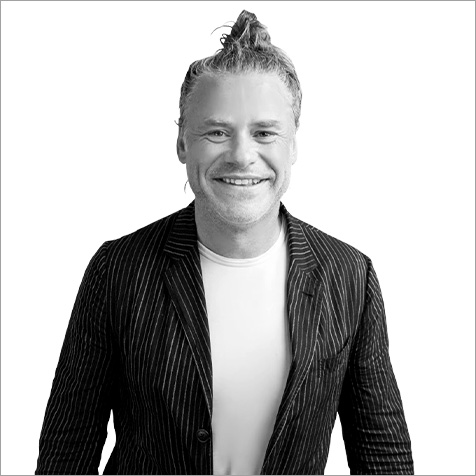
But Radek Sali is not your average business executive. The former Swisse Wellness boss spent years working seven days a week from his Melbourne base before selling the vitamins company for A$1.7 billion. He now lives on the New South Wales North Coast of Australia, where his focus is on achieving a better balance between corporate success and personal wellbeing.
As founder of the family office Light Warrior, Sali is now investing in and actively practising what is broadly known as “biohacking”: a fast-growing sector aimed at improving health, physical and mental performance, and longevity. “A lot has changed for me,” he says. “Moving cities has helped me reset and understand what is really important without the distraction and noise.”
Sali’s daily routine reflects that shift. It includes a carefully curated diet, such as a breakfast of six different types of sprouts, alongside treatments ranging from intermittent fasting and platelet-rich plasma therapy to cold immersion and heat therapy.
Defining biohacking
Sali is one among a cohort of entrepreneurs, investors and wellness advocates driving the expansion of biohacking from a fringe movement into a global industry.
At its core, the term biohacking refers to efforts that improve physical and cognitive performance through interventions such as diet, sleep, exercise, supplements and, in some cases, medical or technological treatments.
The term dates back to the late 1980s but gained real momentum about two decades ago when Silicon Valley entrepreneur Dave Asprey embraced the “DIY biology” movement, including experimentation with wearable devices and dietary changes. Since then, it has evolved into a sophisticated ecosystem spanning startups, healthcare providers, consumer brands and social media influencers.
Supporters argue that biohacking gives individuals greater control over how they age and function. Critics, however, question the evidence behind some claims and warn of regulatory gaps.
Many treatments, such as peptides and injectables, fall in the gap between Australia's two main health regulators, the Therapeutic Goods Association and the Australian Health Practitioners Regulation Agency, meaning they reach consumers with limited testing. A black market has also emerged to meet demand, at times supplying products with harmful contaminants.
Regardless, the global market is expanding and will grow in value, according to Mordor Intelligence, from about US$38 billion (A$53 billion) today to US$87 billion (A$121 billion) in 2031 on the back of demand for more personalised health and longevity solutions.
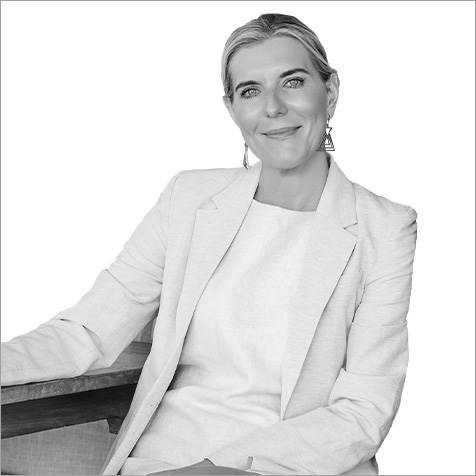
For many advocates, biohacking has its roots in personal experiences. Camilla Thompson, a wellness coach, executive coach and author of Biohack Me, says her interest followed her own severe health crisis related to burnout and mould poisoning that “completely changed my direction”.
Based in New South Wales, Thompson works with clients on behaviour change, nutrition and what she describes as a personalised “health audit” — assessing sleep, diet and lifestyle factors through an epigenetics lens (that is, how behaviours and environment can affect the way genes work).
While high-profile figures such as Asprey and American venture capitalist Bryan Johnson have attracted attention for spending huge amounts on longevity experiments, Thompson says her approach is more accessible. “This does not have to have a million-dollar price tag,” she says. “It does not have to be complicated.
For me, it is about preventative and personalised health.”
Her focus is on incremental, evidence-informed changes that involve DNA testing and longevity coaching as biohacking moves beyond niche experimentation into mainstream wellness.
Why supporting women’s health is just smart business
Scalable business models
As the market matures, attention is turning to how biohacking businesses can scale sustainably.
Common models include subscription-based wellness platforms such as wearables companies WHOOP and Ōura, which get recurring revenue by bundling device sales with ongoing personal health insights and services; and direct-to-consumer businesses, such as Asprey’s Bulletproof, that sell supplements, performance drinks and that sell products such as supplements and performance drinks."
Entrepreneurs and influencers are also leveraging their personal brands and digital platforms to promote podcasts, newsletters, conferences and branded supplements.
For his part, Sali is applying lessons from his Swisse experience to Light Warrior’s investment in wellness ventures such as Wanderlust and The Beauty Chef. Wanderlust focuses on plant-based supplements and has expanded into biohacking-oriented products.
"We want to make the world a better place. So, what can we do as leaders of business to influence the health of our society and make sure we create wonderful cultures and purpose? This is my way of giving back."
It is also building an events business that connects consumers directly with wellness figures such as actors Drew Barrymore, Pamela Anderson and Jane Fonda in a move that draws from Swisse’s successful marketing strategy of getting celebrity endorsements.
The Beauty Chef, meanwhile, is known for its gut health and collagen powders through a direct-to-consumer model, complemented by selective retail distribution into stores such as Chemist Warehouse in Australia. “I have really strong relationships in retail,” Sali says.
Thompson is also taking a multi-pronged marketing approach to drive business, with her book, keynote addresses, coaching and retreats the key to generating revenue.
Health care meets wellness
The growth of biohacking is also prompting a response from traditional healthcare providers, forcing many to reassess their long-held models of care.
Jason Aquilina FCPA, CFO of not-for-profit private health service Cabrini Health, Aquilina says healthcare providers are increasingly exploring models that extend beyond their physical walls.
“It is about virtual health and home care — not just within the four walls of the hospital.”
Cabrini Health is committed to an “integrated health network”, investing in services that support patients outside hospital settings, including post-surgery care, rehabilitation and palliative services delivered at home. The approach reflects patient preference and evidence that recovery outcomes can improve outside clinical environments.
Virtual care is also emerging as a complementary channel, with services delivered via digital platforms. This reflects a meaningful second-order effect: as biohacking pushes personalised, preventative care into the mainstream, traditional providers are borrowing from its playbook.
Home care, in the form of “a hospital in the home”, can help with recovery timelines, Acquilina says.
Sali believes greater collaboration between traditional healthcare providers and wellness groups is inevitable. “Consumers are demanding a more holistic approach,” he says, arguing that time-constrained medical consultations may fail to address underlying lifestyle factors.
Bridging that gap between clinical care and preventative wellness could become a defining feature of the sector’s next phase.
Integrating tech
Artificial intelligence (AI) is accelerating the evolution of biohacking. Across the landscape, startups are using it to develop personalised nutrition plans, predictive diagnostics and adaptive wellness platforms.
“I get pitches every week on AI-driven concepts,” Sali says. “Everyone is moving into the space.” However, he believes trust will remain a key differentiator as consumers navigate an increasingly crowded market. “There is a limit to how deeply people want to track their health — a trusted brand will matter.”
"[Biohacking] does not have to have a million-dollar price tag. It does not have to be complicated. For me, it is about preventative and personalised health."
Within traditional health care, AI adoption is more measured. At Cabrini Health, Aquilina says the focus is on operational efficiency — including clinical documentation, billing and administrative processes — alongside strict governance around data security. “Any AI software goes through significant scrutiny,” he says.
For finance teams in particular, Aquilina says automation offers gains in accuracy and productivity but also introduces new risks related to data protection and compliance.
Onward and upward
For all the headlines, good and bad, there is no doubt that biohacking is growing at pace. Its long-term success will inevitably be tied to stronger clinical evidence of treatments, clearer regulation and greater consumer understanding, which is essential to building trust.
For healthcare providers and businesses alike, the opportunity is significant as health care transforms. “It is an exciting time,” Aquilina says. “You have got demand, and you have got technology enabling new treatments.”
Sali believes that “a bit of growing up” is needed in the Australian market to balance the nuances of biohacking advances with a view to living happier and healthier lives. Given Light Warrior’s status as a family agency, he also encourages others to invest in more explorative ventures where possible.
“We want to make the world a better place. So, what can we do as leaders of business to influence the health of our society and make sure we create wonderful cultures and purpose? This is my way of giving back.”
Is Sali worried that, with the growth of his biohacking investments, he may slip back into a seven-day-a-week burnout cycle? Not really. “What I have worked out is that I actually do not mind being at the task seven days a week, as long as it is on my terms and done with some balance.”
3 elements of biohacking
Nutrigenomics: This discipline focuses on how food interacts with people’s genes, allowing the development of personalised nutrition strategies that work best for their unique genetic makeup.
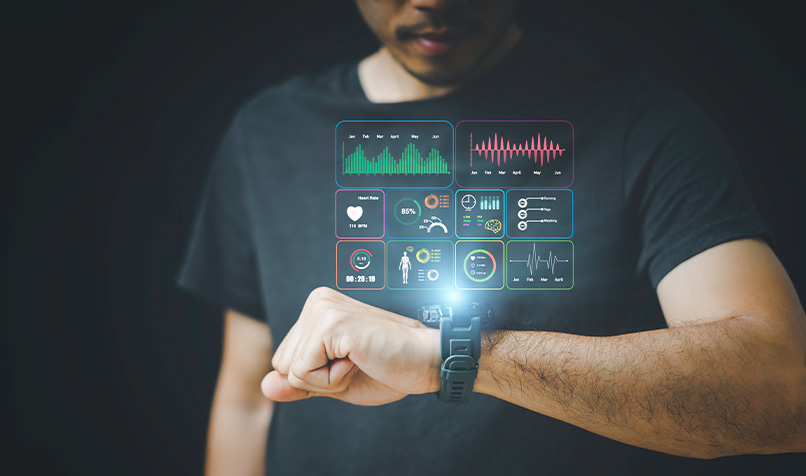
Biometric tracking: By using wearable devices and health apps, people can get data-driven insights into things such as heart rate, blood pressure and glucose levels to make informed decisions about diet, exercise, sleep and stress management.
Nootropics: Ranging from natural supplements to synthetic compounds, these are believed to improve health in areas such as memory, creativity and motivation.