Loading component...
At a glance
For thousands of years, the handshake has served as more than a polite gesture — it has symbolised trust, respect and human connection. It is the first point of contact in a professional setting and an interaction with strangers that can set the tone for an entire relationship.
The Ancient Greeks and Romans first used it as a practical way to show that no dagger was concealed, literally extending an empty hand to show they carried no weapon.
Its use faded during the Middle Ages, replaced by bows, curtseys and hat-tipping as more formal gestures of respect. Yet the handshake eventually returned and evolved into one of the most enduring symbols of greeting in professional life.
Importance of the handshake in professional settings
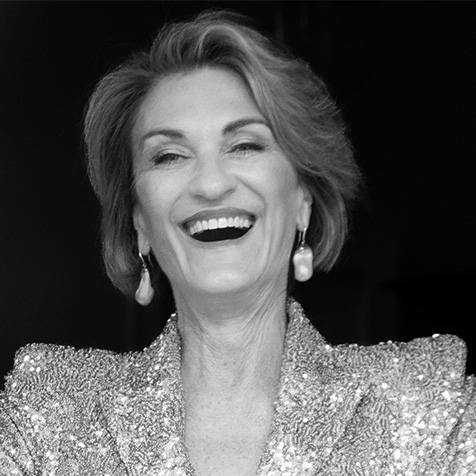
While hidden weapons are a thing of the past, the handshake has stood the test of time because it remains one of the few universally accepted forms of physical connection, says body language expert Dr Louise Mahler.
“Humans need touch,” she says. “Research consistently shows that interpersonal connection is strengthened through physical contact. In professional settings, the handshake is one of the few socially acceptable ways we can create that connection.”
But is it as simple as it sounds? And what message is being sent with a particular brand of handshake? Every nuance of grip and duration communicates something, consciously or unconsciously, be it confidence, insecurity, dominance or even discomfort.
So what do you need to consider the next time you extend your hand?
Tips for a professional handshake
At its core, the handshake is essentially a forward motion without the weapon. It signals, “I come in peace. I carry no weapon,” says Mahler.
While it might seem straightforward, there are intricacies that define the right way to shake and getting it wrong can send all kinds of unintentional messages, she explains.
“We shake with the right hand, because historically that was the weapon hand. The right foot moves with the right hand and the weight shifts onto the front foot, just as it would in a forward strike. The arm extends fully, then stops, long and deliberate.”
Eye contact is also crucial, she adds. Turning your gaze away can send the wrong signal.
"Research consistently shows that interpersonal connection is strengthened through physical contact. In professional settings, the handshake is one of the few socially acceptable ways we can create that connection."
“In combat, your eyes stay fixed on your opponent’s eyes. In a handshake, keeping your gaze steady shows confidence, trustworthiness and safety. And importantly, after the handshake, we bring the back foot in to meet the front foot.
“We don’t back away. Retreating after extending the hand would have signalled weakness or danger,” she says.
Duration is equally important. How long you hold a handshake depends on the context and the relative power in the engagement. Even small differences between parties convey messages.
“A handshake that is grabbed and quickly withdrawn signals that the person does not want to engage,” Mahler says. “The nuances of timing, pressure and reciprocation can communicate as much as words — or even more.”
When a handshake becomes a power play
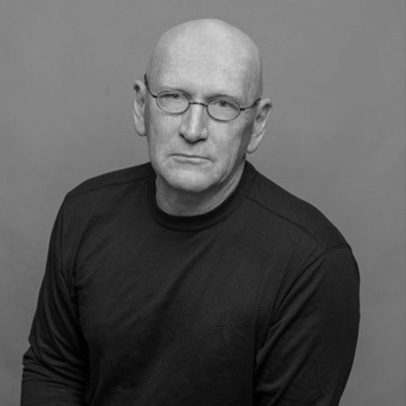
Human behaviour consultant and former US army interrogator Greg Hartley says an aggressive handshake is not a show of strength.
“There are lots of ways people abuse a handshake,” he says. “You see it all the time — people trying to ‘power grab’ by gripping someone’s hand too hard, flipping it over or using their left hand intentionally. I do not find that powerful. I find it masquerading as power.”
Having worked in both the business world and in construction, as well as serving as a soldier for 20 years, Hartley has seen firsthand how dominance can often be mistaken for confidence.
“True leaders focus on the wellbeing of everyone around them, not demonstrating power through tricks,” he explains.
Business handshake etiquette
In professional settings, Hartley notes that culture and context matter just as much as technique.
“On a construction site, the norms are different than in an office. Even within an organisation, what is normal for operations, finance or legal teams can vary. You have to understand the culture before interpreting a handshake as aggressive or dominant,” he says.
There is a difference between ignorance and intent, Hartley also notes.
"There are lots of ways people abuse a handshake. You see it all the time — people trying to ‘power grab’ by gripping someone’s hand too hard, flipping it over or using their left hand intentionally. I do not find that powerful. I find it masquerading as power."
“If someone does something inappropriate out of ignorance, you can often ingratiate yourself simply by not making a big deal of it. Try not to make them feel like they have done something wrong.”
Cultural awareness is another consideration, Mahler says. At an international level, handshaking is often the norm, but in specific cultures, alternatives may be needed.
“Handshakes are not always straightforward, so reading the situation is key. If you extend your hand and it is not reciprocated, simply draw it out to the side,” she says. “It is a warm, open greeting without forcing the interaction.”