More than just sick leave: A proactive approach to self-care


Loading component...
At a glance
Sick leave has traditionally been viewed through a narrow lens — mostly limited to time off for illness or a doctor’s appointment. But as organisations place greater emphasis on employee wellbeing, its scope is widening.
It can now extend to things like mental health days, recovery from burnout, stress-related leave, caring for an unwell family member or attending preventative health appointments. Despite this shift, many employees remain unclear about what they are entitled to.
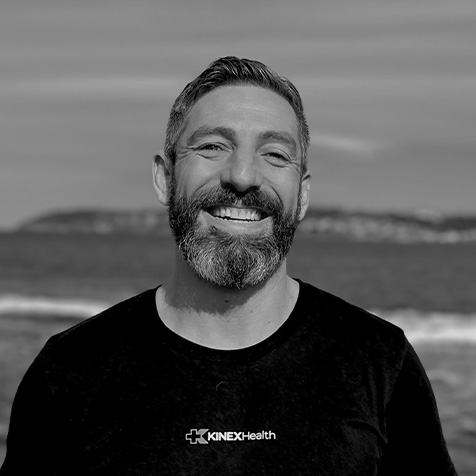
“There is a much broader definition now of what sits under sick leave and in many cases, it is not even about illness,” says Phil Wolffe, director and workplace wellness expert at Kinex Health.
“Sick leave tends to be the umbrella everything falls under, but that label does not really fit anymore. It is not always about being sick — it could be stress leave, a medical or dental appointment. Other times, it is planned time off to manage health or personal responsibilities,” he says.
In practice, this broader view is changing how sick leave is used, but not always how it is explained or applied. It ultimately comes back to the culture of the organisation, argues Wolffe.
“Organisations need to create an environment where employees understand expectations and feel comfortable to speak up,” he says.
“That includes having the psychological safety to say they are struggling and may need time off in advance, even during busy periods, without worrying about how it will be received.”
From sick to self-care
The definition of “sick” has changed considerably, which reflects the reality that people do not move neatly between well and unwell, says Wolffe. Most operate somewhere in between, where taking a day to reset, attending an appointment or stepping back after a period of intense work can prevent more serious issues later.
“It is really about making it clear to people that sick leave is not something they only use in crisis or when they literally cannot get out of bed,” he says.
“If we can normalise planning it in and being upfront about the reasons for taking leave, it becomes far less disruptive.”
That shift, he says, depends heavily on workplace culture.
"It is really about making it clear to people that sick leave is not something they only use in crisis or when they literally cannot get out of bed."
“It comes back to having conversations with employees about what good practice looks like in this organisation — not dictating what people are ‘allowed’ to do, but why certain approaches work better for everyone.”
It also requires psychological safety, so employees feel comfortable speaking up early rather than waiting until they reach breaking point.
“If someone can say, ‘I’m really struggling at the moment, can I take a day next Wednesday to reset?’ that is far better than calling in on a Tuesday morning when everything is already underway.”
Sick leave includes mental and physical health
In Australia, under the National Employment Standards, full-time employees are entitled to 10 days of paid personal/carer’s leave each year. Beyond this, enterprise agreements and workplace policies often go further.
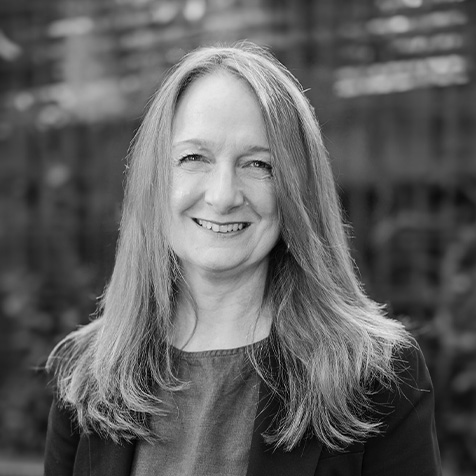
Some organisations are trialling four-day work weeks, while others have introduced “leave donation” or voluntary leave schemes to support employees dealing with chronic illness or extended recovery, says Ilona Charles, CEO and co-founder of human resources consultancy Shilo.
“I think we are getting there slowly,” she says. “But recent regulation, particularly under the Work Health and Safety framework, has helped shift thinking, especially the recognition of psychosocial hazards.
“When you are doing risk assessments for workplace health and safety, you now need to consider mental health alongside physical health, which is raising awareness,” she says.
Broader societal change is also playing a role.
"Employers who invest in keeping their people well, as part of a broader engagement strategy, tend to see the benefits, including stronger productivity and improved attraction and retention."
“There has been a much greater focus on mental health, prevention and early intervention, and with social media and public discussion, it is almost impossible to avoid the topic now,” she says.
“But I still think there is work to do on the employer side around education, to make it really clear that sick leave includes mental health as well as physical health.”
Beyond compliance, towards wellbeing
In many organisations, the focus remains on compliance — such as when and how sick leave should be taken — rather than on wellbeing more broadly.
A more effective approach is to take a proactive view of workplace health, says Charles.
“Employers who invest in keeping their people well, as part of a broader engagement strategy, tend to see the benefits, including stronger productivity and improved attraction and retention,” she says.
Wolffe argues that the first step is about connecting people to the purpose of their work.
“Are they just showing up for a pay cheque or are they genuinely invested in the outcome and what the business stands for?” he says.
“From there, it is about understanding employees’ needs, checking in regularly and recognising their challenges and opportunities. When people feel encouraged and supported to look after themselves, they perform better.”